
How to Fix a Broken Tooth: Treatment Options Explained
How to fix a broken tooth depends on how severe the break is, but in most cases, dentists have more than one way to repair it. Whether you’re trying to repair a broken tooth after biting into something hard, or wondering how to fix a bad tooth that’s been bothering you for months, the good news is that most broken and damaged teeth can be treated, often without an extraction.
The right approach depends on how much natural tooth structure remains and whether the injury has reached the nerve. This guide walks through the types of tooth damage dentists see most often, the treatments used to repair a broken tooth, and when to see a dentist in Mishawaka, IN. The team at McKinley Family Dental helps patients understand their options before deciding on a treatment plan.
A broken tooth can happen in an instant, from biting into something hard, a fall, or a hit during sports, but it can also build up slowly from years of grinding, an old filling that finally gives out, or decay that weakens the tooth from the inside. Knowing what caused the break can help your dentist decide how best to repair it.
What Counts as a Broken or Damaged Tooth?
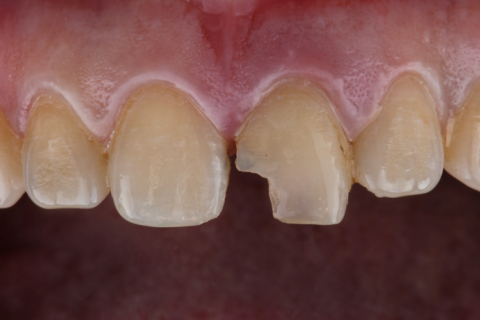
Not every broken tooth looks the same, and the type of damage affects both urgency and treatment. Dentists generally classify tooth damage on a spectrum, from a small chip in the enamel to a tooth that has split below the gum line.
Common types of tooth damage include:
- Craze lines: tiny, shallow cracks in the enamel that rarely cause pain or need treatment beyond polishing.
- Chipped tooth or fractured cusp: a piece of the chewing surface breaks off, often around an old filling.
- Cracked tooth: a crack that runs from the chewing surface toward the root and can worsen without treatment.
- Split tooth: a crack that has progressed far enough to separate the tooth into distinct segments.
- Vertical root fracture: a crack that starts at the root and moves upward, often undetected until infection sets in.
Can a Broken Tooth Be Fixed?
In most cases, yes. Whether a broken tooth can be repaired depends primarily on how much healthy tooth structure remains and whether the crack or break has reached the nerve.
If enough of the tooth is intact and the pulp isn’t severely damaged, restorative treatment can usually save it. If the tooth has broken below the gum line or the nerve is already infected, extraction followed by a replacement option is typically the more predictable path.
| Extent of Damage | Typical Treatment |
| Small chip or craze line in the enamel | Dental bonding or contouring |
| Fractured cusp or a crack that hasn’t reached the nerve | Dental crown, inlay, or onlay |
| Crack or break reaching the tooth’s nerve (pulp) | Root canal therapy, followed by a crown |
| Tooth broken below the gumline, split, or extensively infected | Extraction, followed by an implant, bridge, or denture |
How to Fix a Tooth That’s Broken: Common Treatment Options
How to fix tooth damage depends on the specific treatment your dentist recommends after an exam and X-rays. The following are the most common approaches used in restorative and cosmetic dentistry.
Dental Bonding
For small chips and minor cracks, dental bonding is often the simplest fix. Your dentist removes any damaged material, then shapes a tooth-colored resin over the chip and hardens it with a curing light. Bonding is quick, usually completed in a single visit, and preserves the most natural tooth structure.
Dental Crowns, Veneers, Inlays, and Onlays
When a crack or chip is too large for bonding to support, a dental crown, veneer, or inlay or onlay can rebuild the damaged portion of the tooth. A crown covers the entire visible tooth, a veneer covers the front surface, and inlays and onlays repair a smaller section of the chewing surface. All four options restore strength and shape to the teeth.
Root Canal Therapy
If a break has reached the pulp, the soft tissue that holds the tooth’s nerve and blood vessels, a root canal removes the infected or damaged tissue, disinfects the canal, and seals it to prevent further infection. According to the American Association of Endodontists, treating a cracked tooth early gives it the best chance of being saved, and a crown is usually placed afterward to protect it.
Extraction and Replacement
When too much of the tooth is missing, or a fracture extends below the gum line, extraction may be the more predictable option. After extraction, a dental implant, bridge, or denture can replace the missing tooth, restoring your ability to chew and speak comfortably. Your dentist can walk you through which replacement fits your bite, budget, and long-term oral health goals.
Full Mouth Reconstruction
Patients with several broken, cracked, or missing teeth sometimes benefit from full mouth reconstruction, a coordinated treatment plan that combines fillings, crowns, implants, and other restorative treatments to rebuild function and appearance across the whole mouth. This approach is less common than treating a single tooth, but it can be worth discussing if years of untreated damage have added up across multiple teeth.
Caring for a Repaired Tooth
Once your tooth is repaired, how you care for it afterward impacts how long the repair lasts. Avoid hard or sticky foods, especially in the days right after your procedure, and try not to use the repaired tooth to bite into ice, hard candy, or anything else that could chip a filling, crown, or bonding material.
Brush gently with a soft-bristled toothbrush and keep flossing around the tooth as usual. If you grind your teeth at night, ask your dentist about a nightguard, since grinding is one of the more common reasons a repair fails early. Regular checkups every six months let your dentist catch early wear on a crown, filling, or bonding before it becomes a bigger problem. With the right aftercare, most tooth repairs can last for many years.
What Happens If a Broken Tooth Goes Untreated?
A cracked or broken tooth doesn’t repair itself, and waiting tends to narrow your options rather than resolve the problem. Cracks and chips give bacteria a path to the tooth’s nerve, which can lead to infection, an abscess, or pain that spreads to the jaw.
Over time, this may mean a tooth that could have been treated with bonding eventually needs a crown, or a tooth that could have had a root canal eventually needs extraction. Treating damage earlier generally preserves more of your options, and more of your natural tooth.
When to See a Dentist in Mishawaka About a Broken Tooth
Sensitivity to hot or cold, a visible chip or crack, or a tooth that feels different when you bite down are all reasons to schedule an exam rather than wait. If you have the broken piece, rinse it and bring it with you, and if a rough edge is irritating your tongue or cheek, over-the-counter dental wax can help until your appointment (American Dental Association, n.d.).
Severe pain, facial swelling, or fever alongside a broken tooth can point to a spreading infection and should be treated as a dental emergency. The team at McKinley Family Dental offers comprehensive exams and a full range of restorative and emergency treatments for patients throughout Mishawaka, IN. If you’re in pain or think you may have an infection, contact our office right away.
Frequently Asked Questions
How do you fix a bad tooth with a large crack or cavity?
Large cracks and cavities are usually restored with a crown, inlay, or onlay rather than a simple filling, since there may not be enough healthy tooth structure to bond to securely. If the damage has reached the nerve, a root canal is typically completed first, followed by a crown to protect what remains of the tooth.
Is it painful to repair a broken tooth?
Most repair procedures are done under local anesthesia and are relatively comfortable. Discomfort more often comes from the injury or decay that damaged the tooth in the first place, not the treatment itself. Mild soreness for a few days afterward is common and usually manageable with over-the-counter pain relief.
Can a chipped or cracked front tooth be repaired?
Yes. Many chipped or cracked front teeth can be repaired with bonding, a veneer, or a crown, depending on the size and location of the damage. Cracks that extend below the gum line or into the root are more likely to need a root canal or extraction. Your dentist can typically determine the right option with an exam and X-rays.
How long does it take to fix a broken tooth?
Minor repairs like bonding can often be completed in a single visit. Crowns, veneers, and root canals typically require multiple appointments over one to several weeks, and replacing an extracted tooth with an implant can take a few months from start to finish.
What should I do right after breaking a tooth?
Rinse your mouth with warm water, apply a cold compress to reduce swelling, and call your dentist as soon as possible. If you have the broken piece, keep it moist and bring it to your appointment.
How often should I see a dentist in Mishawaka about a damaged tooth?
Any new pain, sensitivity, or visible damage is worth a prompt exam rather than waiting for your next routine visit. For general prevention, most patients benefit from a checkup about every six months, which helps your dentist catch small issues before they need more extensive repair.
Will insurance cover repairing a broken tooth?
Many dental insurance plans cover at least a portion of fillings, crowns, and root canals, since these are considered restorative rather than cosmetic treatments, though coverage details vary by plan. Our team can walk you through your insurance and financing options before you commit to a treatment plan.
Book a Dental Appointment in Mishawaka, IN
Repairing a broken tooth is often more achievable than patients expect, whether the issue is a small chip, a deep crack, or a tooth that’s broken below the gum line. The sooner a damaged tooth is evaluated, the more treatment options are typically available.
If you have a tooth that’s chipped, cracked, or causing pain, the team at McKinley Family Dental in Mishawaka, IN can help you understand your options. Schedule an appointment for an exam, and we’ll help you find the right path to repair your smile.
Chipping a tooth is something that can happen to anyone, whether it’s due to an accident, a sports injury, or biting down on something hard. While it…

A beautiful smile can make a lasting impression, boosting your self-confidence and leaving you feeling more comfortable in social and professional…